
Tungsten Electrodes (18)
- Brand
- WeldingStop




TIG Tungsten Electrode Selection Guide
Choosing the correct tungsten electrode is one of the most important decisions in TIG welding. The type, diameter, and preparation of the tungsten directly affect arc stability, weld quality, and electrode longevity. WeldingStop offers a comprehensive range of tungsten electrodes to suit every application, from thin-gauge aluminum to heavy stainless steel fabrication.
Tungsten Electrode Type Comparison
| Type | Color Code | Composition | Best For |
|---|---|---|---|
| Pure Tungsten | Green | 99.5% W | AC welding of aluminum and magnesium. Forms a clean balled end. |
| Thoriated (2%) | Red | 98% W + 2% ThO2 | DC welding of steel, stainless, titanium. Excellent arc starting and longevity. |
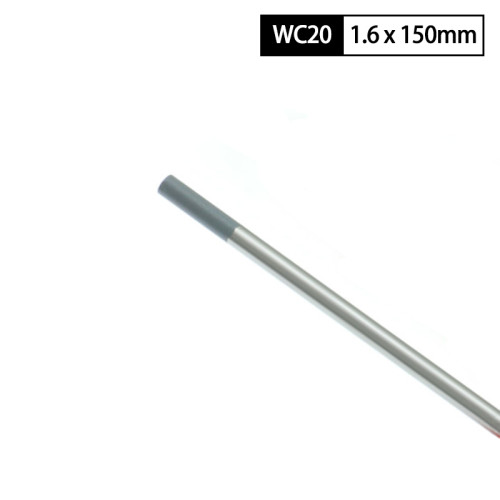
| Ceriated (2%) | Grey | 98% W + 2% CeO2 | AC/DC welding. Non-radioactive alternative to thoriated. Good for low-amperage work. |
| Lanthanated (1.5%) | Gold | 98.5% W + 1.5% La2O3 | AC/DC welding. Excellent arc stability and long life. Popular all-purpose choice. |
| Zirconiated | White/Yellow | 99.1% W + 0.8% ZrO2 | AC welding of aluminum. Resists contamination better than pure tungsten. |
Tungsten Diameter vs. Amperage Guide
| Diameter | DC Amperage Range | AC Amperage Range |
|---|---|---|
| 0.040" (1.0mm) | Up to 30A | Up to 20A |
| 1/16" (1.6mm) | 10–130A | 20–90A |
| 3/32" (2.4mm) | 50–250A | 60–180A |
| 1/8" (3.2mm) | 150–400A | 100–300A |
Frequently Asked Questions (FAQ)
Q: Should I use thoriated or ceriated tungsten for TIG welding stainless steel?
A: Both thoriated (red) and ceriated (grey) tungsten work well for DC TIG welding of stainless steel. Thoriated tungsten has a long track record of excellent performance and longevity. Ceriated tungsten is a popular non-radioactive alternative that offers similar performance, particularly at lower amperages. For most stainless steel work, either type will produce excellent results.
Q: How do I prepare (grind) my tungsten electrode?
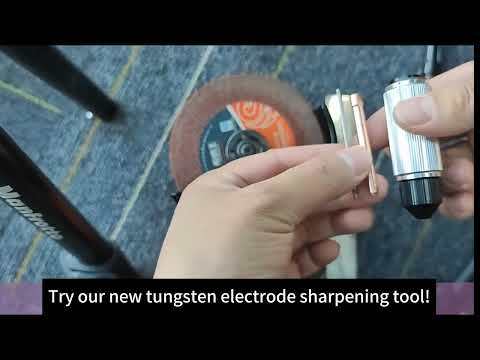
A: For DC welding (steel, stainless, titanium), grind the tungsten to a sharp point, with the grinding marks running lengthwise along the electrode. For AC welding (aluminum), use pure or zirconiated tungsten and allow the tip to form a natural ball during welding. Never grind across the tungsten, as this can cause the arc to wander.
- Company Info
- ABOUT US
- Contact Us
- Returning & Refund
- Terms & Conditions
- Privacy Policy
- Insurance
- F.A.Q
- Feedback
- W.S.Sitemap
- User Center
- Forgot Password
- My Orders
- Tracking Order
- My Account
- Register
- Payment & Shipping
- Estimated Delivery Time
- Locations We Ship To
- Payment Methods
- Shipping Insurance
- FAQ
