
SAFETY & PROTECTION (2)
Welding Safety & Protection Equipment
Protect yourself with professional-grade welding safety gear designed for MIG, TIG, stick, and plasma cutting applications. From auto-darkening helmets to heat-resistant gloves and flame-retardant jackets, every piece of PPE in this category is selected to meet the demands of industrial fabrication, construction, and home workshop environments.
1. Welding Helmets & Hoods
Auto-darkening and passive lens helmets with shade range 9-13. Look for headgear comfort, lens reaction speed, and viewing area size when choosing.
2. Welding Gloves & Hand Protection
MIG gloves (thick split cowhide for heat resistance) vs. TIG gloves (thin goatskin for dexterity). Heat deflectors and aluminized backing for high-amperage work.
3. Body Protection & Apparel
Leather welding jackets, flame-resistant cotton sleeves, aprons, and neck drapes. Full coverage against spatter, UV radiation, and arc flash.
4. Respiratory & Face Protection
Welding respirators, safety glasses (ANSI Z87.1), face shields, and grinding goggles. Essential for fume-heavy environments and multi-process shops.
Inspection Note: All safety gear should be inspected before each use. Check for worn stitching, cracked lenses, degraded elastic, and heat damage. Replace any PPE that shows signs of compromise - your safety depends on it.
- Category
-
- Gas Welding Equipment
- Lincoln Magnum Pro 100L
- Lincoln Magnum Pro 250
- WELDING MACHINE
- TIG Pen Feeder (Rod holder)
- TIG TORCH & ACCESSORIES
- Thoriated Tungsten WT20
- Lanthanated Tungsten WL 20
- Ceriated Tungsten WC20
- IPT-60H / PT-60M
- MIG TORCH & CONSUMABLES
- PLASMA TORCH & CONSUMABLES
- INSPECTION TOOLS
- SAFETY & PROTECTION
- WELDING GAUGE

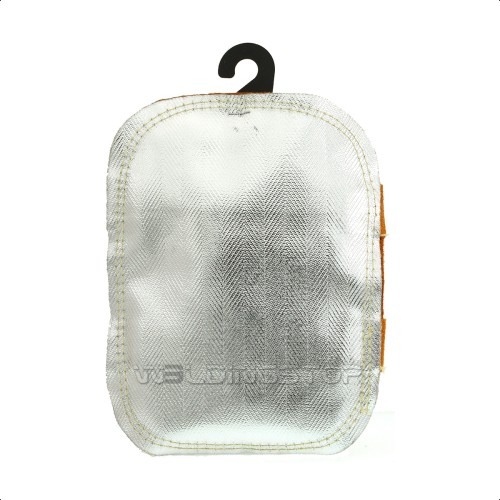


How to Choose Welding Safety Gear
Selecting the right welding PPE depends on your welding process, amperage range, work environment, and comfort requirements. Use this guide to match protection to your application.
Step 1: Match PPE to Your Welding Process
| Welding Process | Primary Hazards | Recommended PPE |
|---|---|---|
| MIG/MAG Welding | High spatter, intense UV, heat | Auto-darkening helmet (shade 10-13), thick cowhide MIG gloves, leather jacket |
| TIG Welding | Arc flash, UV, low spatter | Auto-darkening helmet (shade 8-12), thin goatskin TIG gloves, FR cotton sleeves |
| Stick Welding (SMAW) | Heavy spatter, fumes, high UV | Passive or auto-darkening helmet (shade 10-14), heavy leather gloves, leather apron |
| Plasma Cutting | Intense arc, molten metal spray | Shade 5-8 face shield or goggles, heat-resistant gloves, FR jacket |
| Oxy-Acetylene / Gas Welding | Heat, flash burns, slag | Shade 5 goggles, general welding gloves, FR clothing |
Step 2: Key Selection Criteria by PPE Type
| PPE Item | Protects Against | What to Look For | Buying Tip |
|---|---|---|---|
| Welding Helmet | UV/IR radiation, spatter, arc flash | Auto-darkening (ADF) vs. passive; shade range 9-13; lens reaction time <0.1ms | Choose a larger viewing area (3.8x2.5in+) for better visibility |
| Welding Gloves | Heat, spatter, UV, electrical shock | Material: cowhide (MIG/Stick) or goatskin/deerskin (TIG); Kevlar stitching | TIG welders: prioritize dexterity. MIG/Stick: prioritize heat resistance |
| Welding Jacket / Apron | Spatter, heat, UV on torso and arms | Leather (maximum protection) or FR-treated cotton; snap vs. zipper closures | Leather for high-amperage overhead work; FR cotton for general shop use |
| Safety Glasses / Face Shield | Grinding sparks, debris, UV | ANSI Z87.1 or EN166 certified; polycarbonate lens; side shields | Always wear under a welding helmet for secondary protection |
| Respirator | Welding fumes (zinc, chromium, manganese) | N95/P100 particulate or half-mask with combination cartridges; fit tested | Essential for stainless steel or galvanized steel welding |
| Neck & Head Protection | Spatter, slag, UV on neck/head | Fire-resistant welding cap or hood with neck drape; 100% cotton or FR materials | Critical for overhead and out-of-position welding |
Frequently Asked Questions
The welding helmet is the most critical piece of PPE. It protects your eyes from arc flash and your face from UV burns and spatter. An auto-darkening helmet with shade range 9-13 is the standard choice for most welders.
Generally no. MIG gloves are thick (split cowhide) for maximum heat and spatter resistance. TIG gloves are much thinner (goatskin or deerskin) to preserve finger dexterity for feeding filler rod. Using MIG gloves for TIG will restrict precision; TIG gloves for MIG will not provide enough heat protection.
It depends on your materials and environment. Stainless steel produces hexavalent chromium fumes; galvanized steel produces zinc oxide fumes. In confined spaces or with these materials, a respirator is strongly recommended. Even for mild steel in well-ventilated shops, a P100 respirator adds important protection.
Replace PPE immediately if damaged - cracked helmet lens, torn glove stitching, or burn-through on jackets. Helmets typically last 3-5 years with regular lens cover replacement. Heavy-use MIG gloves in production environments may need replacement every 2-4 weeks.
Disclaimer: Product specifications, shade ratings, and material compositions may vary by model. Always verify details on the individual product page. PPE selection should be based on your specific welding process, amperage, and work environment.
- Company Info
- ABOUT US
- Contact Us
- Returning & Refund
- Terms & Conditions
- Privacy Policy
- Insurance
- F.A.Q
- Feedback
- W.S.Sitemap
- User Center
- Forgot Password
- My Orders
- Tracking Order
- My Account
- Register
- Payment & Shipping
- Estimated Delivery Time
- Locations We Ship To
- Payment Methods
- Shipping Insurance
- FAQ
