
TIG Torch Head (23)









TIG Torch Head Selection Guide
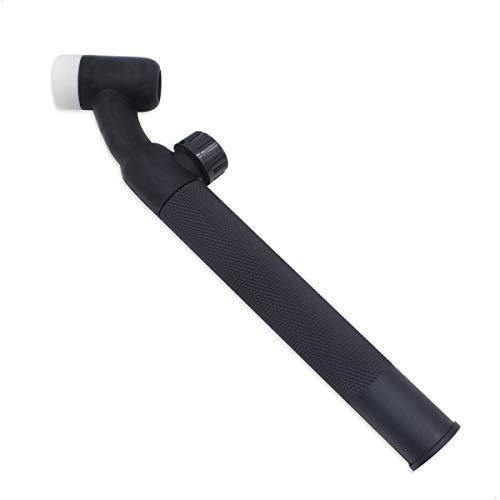
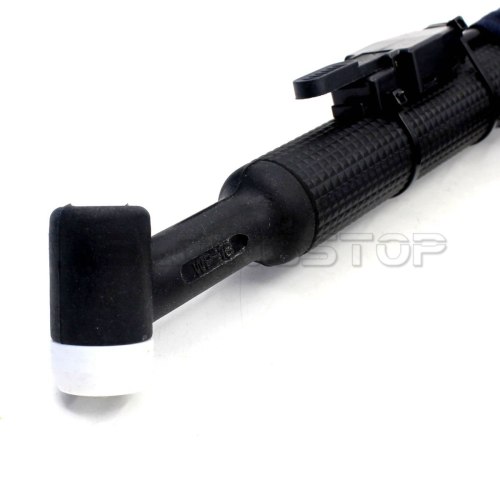
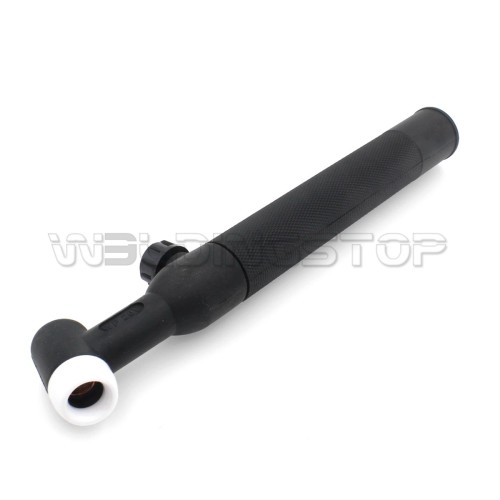
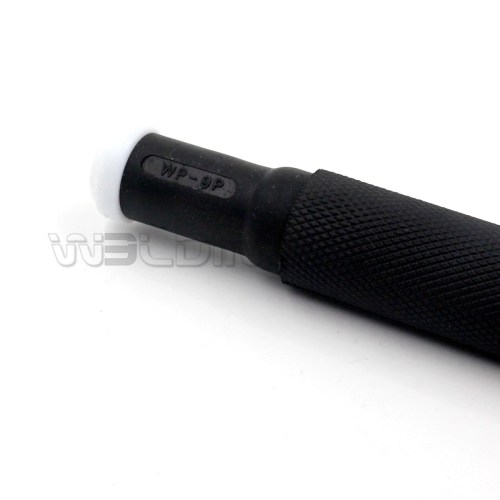
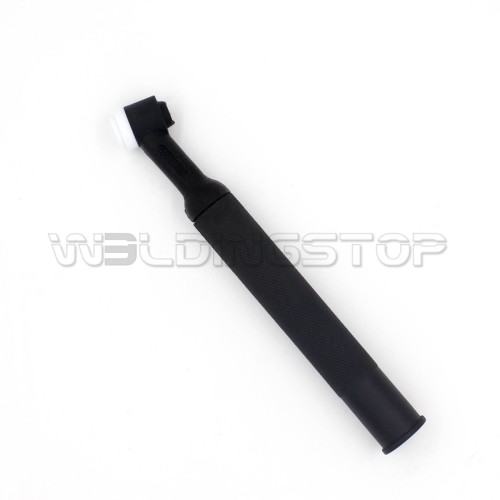
The TIG torch head (or torch body) is the core component of your GTAW setup. It holds the tungsten electrode, delivers the shielding gas, and transfers the welding current. Choosing the right torch head is critical for maneuverability, cooling efficiency, and accessing tight joints. WeldingStop offers a wide range of replacement TIG torch heads compatible with industry-standard WP series.
TIG Torch Head Types & Features
| Feature Designation | Meaning | Best Application |
|---|---|---|
| Standard (Rigid) | Fixed neck angle (usually 70° or 90°). | General fabrication, bench work, and automated setups. |
| F (Flexible) | The neck can be bent to different angles. | Pipe welding, roll cages, and accessing awkward or tight joints. |
| V (Valve) | Includes a manual gas control valve on the handle. | Scratch-start or lift-arc TIG welding on machines without a gas solenoid. |
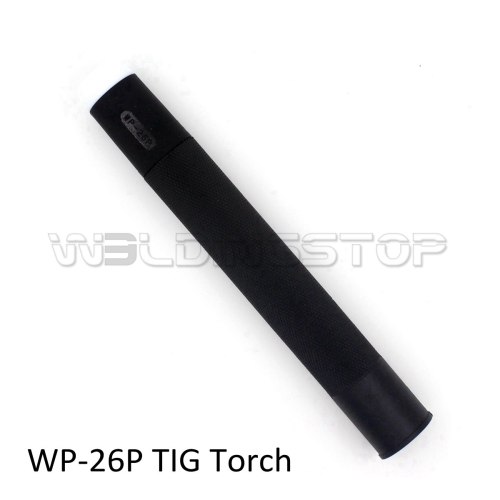
| P (Pencil) | Straight body with no angle. | Automated welding, orbital welding, or extremely tight spaces. |
Frequently Asked Questions (FAQ)
Q: What is the difference between Air-Cooled and Water-Cooled TIG torch heads?
A: Air-Cooled torches (like WP-9, WP-17, WP-26) rely on the ambient air and the flow of shielding gas to cool the torch. They are lighter, simpler, and ideal for lower amperage work (up to 200A). Water-Cooled torches (like WP-20, WP-18) circulate coolant through the torch head. They are required for high-amperage, continuous welding (up to 350A+) to prevent the torch from melting.
Q: Can I replace just the torch head, or do I need a whole new torch package?
A: Yes, you can replace just the torch head! If your power cable and hoses are in good condition, simply unscrew the old head and attach the new one. Ensure you match the series (e.g., replace a WP-17 head with another WP-17 head) so your existing consumables will fit.
Q: How do I know if my TIG torch head is failing?
A: Signs of a failing torch head include: (1) Gas leaks around the neck or back cap area. (2) The threads for the collet body or back cap are stripped. (3) The silicone rubber insulation is cracked, burnt, or arcing through to your hand. (4) A flexible neck no longer holds its shape.
- Company Info
- ABOUT US
- Contact Us
- Returning & Refund
- Terms & Conditions
- Privacy Policy
- Insurance
- F.A.Q
- Feedback
- W.S.Sitemap
- User Center
- Forgot Password
- My Orders
- Tracking Order
- My Account
- Register
- Payment & Shipping
- Estimated Delivery Time
- Locations We Ship To
- Payment Methods
- Shipping Insurance
- FAQ
